
Shredder Industry: Booming Demand Drives Foreign Trade Opportunities
The global shredder industry is stepping into a high-growth phase, fueled by the rising awareness of environmental protection and the vigorous development of the circular economy. As a key equipment for waste recycling and resource reuse, shredders have become a "must-have" in multiple industries, bringing substantial business opportunities for foreign trade enterprises specialized in machinery.

Europe and North America, as mature markets, have stable demand and clear standards. The EU’s Circular Economy Action Plan has set strict requirements for waste recycling rates, promoting the update of shredding equipment in the region. German and French recycling companies prefer high-efficiency, energy-saving shredders that meet CE certification. In the U.S., the scrap metal recycling industry consumes over 12,000 industrial shredders annually, with a strong demand for models suitable for processing scrap steel and aluminum.
Emerging markets in Asia, Africa and Latin America are emerging as new growth poles. China’s "Dual Carbon" goal has stimulated a surge in demand for shredders used in waste tire and plastic recycling. Southeast Asia’s rapid industrialization has led to a 18% annual increase in waste generation, creating a huge market for cost-effective small and medium-sized shredders. Brazil and India also have great potential, as their governments are strengthening waste management policies.
Technological innovation is reshaping the competitive pattern. Dual-axis shredders with strong crushing capacity are widely used in mixed waste processing. Smart shredders equipped with IoT modules can realize real-time monitoring of operation status, which is favored by high-end customers. For foreign trade enterprises, obtaining international certifications such as ISO and UL is crucial to entering global markets.
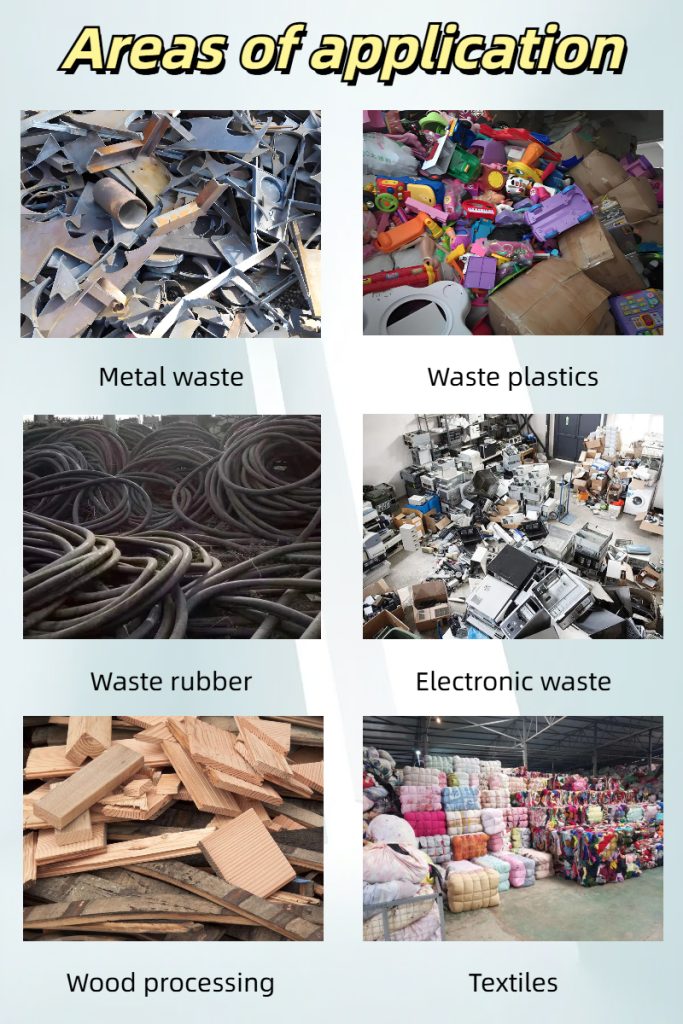
In conclusion, the shredder industry has broad development prospects. Foreign trade enterprises should tailor products to regional market needs—such as corrosion-resistant designs for coastal areas and high-torque models for metal processing—to gain a competitive edge in the global market.